
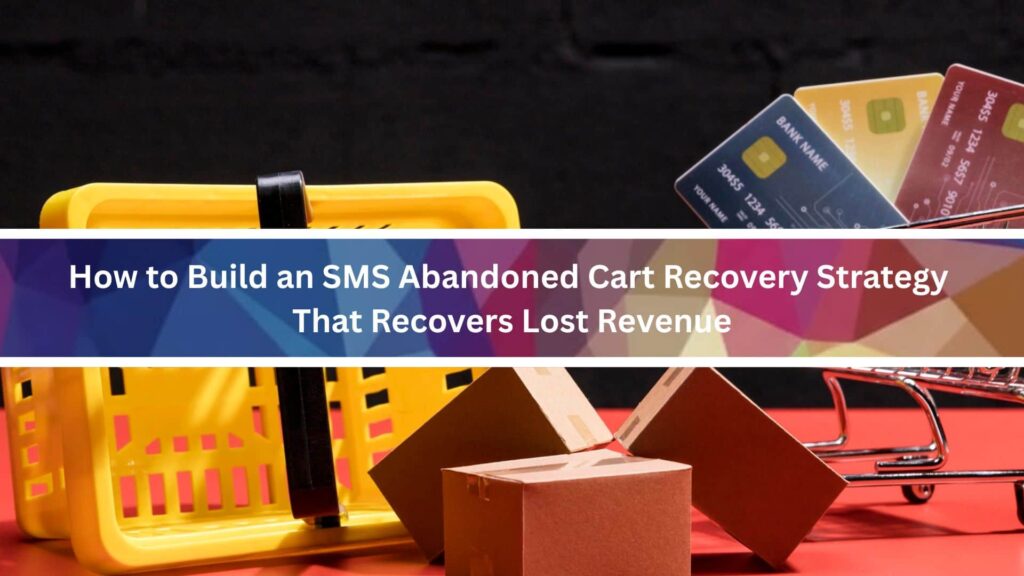
Every e-commerce and retail brand faces the same frustrating reality: a shopper browses your store, adds items to their cart, gets all the way to the checkout page, and then, vanishes.
Globally, average cart abandonment rates are around 70%. In Malaysia’s competitive digital landscape, letting 7 out of 10 interested buyers walk away is a leak your business cannot afford.
While many businesses rely solely on email to retrieve these lost sales, email open rates have plummeted. If you want to grab your customer’s attention before they buy from a competitor, you need a faster, more direct channel. Enter SMS abandoned cart recovery.
Why SMS Can Be Effective for Abandoned Cart Recovery
Email remains a foundational abandoned-cart channel, but engagement can sometimes be delayed if messages are filtered into promotional folders or opened hours after delivery. SMS offers a more immediate alternative. Industry estimates often place SMS open rates above 90%, and messages are typically viewed within minutes of receipt.
Because abandoned-cart recovery often depends on timely follow-up, SMS can help brands reach shoppers shortly after they leave a checkout session, when interest in the purchase may still be high. For many businesses, SMS works best as a complement to email rather than a replacement for it.
Learn more about how this SMS Marketing fits into your wider promotional ecosystem in our guide: 7 Reasons SMS Marketing is the Highest ROI Tool
A Practical 3-Step SMS Abandoned Cart Recovery Workflow
Recovering abandoned carts isn’t about sending more messages that annoy your customers, it’s about sending the right message at the right time. The ideal timing varies by industry and customer behaviour, so it’s advisable to segment your customers before getting started. Many e-commerce brands see strong results with a three-step automated SMS sequence triggered through an SMS marketing platform or integrated directly via an SMS API.
Message 1: The Friendly Reminder (Sent 45–90 Minutes After Abandonment)
Do not jump straight into offering discounts. In many cases, customers abandon their carts because they get distracted, receive a phone call, face a temporary internet glitch, or simply need more time to complete their purchase. A helpful, friendly nudge is usually enough to bring them back.
- SMS Template:
RM0 [Brand Name]: You left something in your cart. Continue shopping on the official website or open our app to complete your order before they go out of stock.
Message 2: The Reassurance Message, Social Proof / Urgency Push (Sent 24 Hours Later)
If the customer hasn’t returned after a day, they may be weighing factors such as product quality, shipping costs, or overall trust in the purchase. This is a good opportunity to reinforce confidence with social proof, customer reviews, or product popularity.
- SMS Templates:
RM0 [Brand Name]: Your cart items are selling out fast! Don’t miss out on what shoppers are loving now. Visit our official website or app to secure yours.
RM0 [Brand Name]: Don’t lose your aura! Your cart items are trending hard and selling fast. Visit our official website or app to check out now.
Message 3: The Sweetener Incentivisation (Sent 48-72 Hours Later)
The final message is your opportunity to remove any remaining purchase barriers. A limited-time incentive such as free shipping or a small discount can encourage hesitant shoppers to complete their orders.
- SMS Template:
RM0.00 [Brand Name]: Get 10% off your cart items with code BUY10! Claim before it expires 30-06-2026. Search our official website or app to checkout now.
Best Practices for Malaysian E-Commerce SMS Cart Recovery
To maximise conversion rates while maintaining customer trust and full compliance with local telecommunication guidelines, keep the following best practices in mind:
Keep Messages Short and Actionable
While modern SMS platforms support longer messages, concise texts generally perform best. State your purpose clearly and highlight the key benefit that makes it easy for customers to return to checkout.
Comply with MCMC Regulations
Always identify your brand name clearly at the beginning of the text, and only send marketing SMS messages to customers who have explicitly agreed to receive communications from your business. Businesses should also provide a simple way for recipients to opt out of future messages and ensure unsubscribe requests are honoured promptly.
Consider Personal Data and Privacy Requirements
Customer contact information should be collected, stored, and used responsibly. Ensure your SMS marketing practices align with applicable telecommunications and personal data protection requirements in Malaysia.
Segment Your Audiences
Not all shoppers should receive the same message. First-time visitors, returning customers, and VIP buyers often respond differently to incentives and messaging. Audience segmentation allows you to deliver more relevant campaigns and improve recovery rates.
Combine SMS with Email for Better Results
For many retailers, the most effective recovery strategy combines both SMS and email. SMS delivers immediate visibility and encourages quick action, while email provides more space for product recommendations, customer reviews, and detailed offers. Together, they create a stronger recovery workflow than either channel alone.
Getting Started with SMS Automation
Implementing an abandoned cart recovery workflow doesn’t require a large development team. Most e-commerce platforms, including Shopify and WooCommerce, offer integrations that connect directly with SMS providers and automate messaging based on customer behaviour.
For businesses operating on custom-built systems, developers can integrate SMS APIs to trigger messages automatically when predefined events occur, such as cart abandonment, order completion, or customer re-engagement campaigns.
Turn Abandoned Carts into Revenue Opportunities
Every abandoned cart represents a potential sale that is waiting to be closed. By combining timely bulk SMS reminders with a well-designed recovery workflow, businesses can re-engage interested shoppers, improve conversion rates, and generate additional revenue from traffic they have already earned.
Ready to recover more lost sales? Discover how SMS by Anchor can help your retail brand automate customer engagement and build high-converting SMS workflows, contact us today.
FAQs About Abandoned Cart Recovery
Why is SMS effective for e-commerce cart abandonment recovery?
With global cart abandonment rates hovering around 70%, SMS offers a faster, more direct channel than email. While email engagement can be delayed by promotional folders, SMS boasts open rates above 90%, with most messages viewed within minutes. This immediacy allows Malaysian retail brands to re-engage shoppers while their purchase intent is still high.
What is the ideal timeline for an SMS cart recovery workflow?
A highly effective automated SMS sequence utilises a 3-step timeline:
Message 1 (45–90 minutes after abandonment): A friendly reminder to helpful nudge distracted shoppers before offering discounts.
Message 2 (24 hours later): A reassurance or urgency push leveraging social proof and popularity.
Message 3 (48–72 hours later): A sweetener incentive, such as a limited-time 10% discount code or free shipping, to remove final purchase barriers.
How can Malaysian brands ensure SMS marketing compliance?
To comply with MCMC regulations and personal data protection requirements in Malaysia, businesses must:
Explicitly identify their brand name at the beginning of every text (e.g., using "RM0 [Brand Name]").
Only send messages to customers who have explicitly opted in.
Provide a clear, simple way for recipients to opt out of future communications and honor unsubscribe requests promptly.
Should SMS replace email for abandoned cart recovery?
No, SMS works best as a complement to email rather than a total replacement. While SMS provides immediate visibility and triggers quick action, email offers the necessary space for detailed product recommendations, customer reviews, and broader promotional content. Combining both channels creates a much stronger recovery workflow.
Why is audience segmentation important in SMS recovery campaigns?
Not all shoppers behave the same way. First-time visitors, returning customers, and VIP buyers respond differently to incentives and messaging tones. Segmenting your audience allows you to deliver more relevant, tailored campaigns, which improves conversion rates and prevents you from unnecessarily cutting into margins with generic discounts.
How do e-commerce businesses integrate SMS automation?
Setting up an automated recovery workflow does not require a large development team. Major e-commerce platforms like Shopify and WooCommerce offer direct integrations with SMS marketing providers. For custom-built websites, developers can easily integrate SMS APIs to trigger automated texts based on specific customer behaviors, such as cart abandonment or order completion.