
Key Takeaways
- True Omnichannel Integration: Successful omnichannel marketing requires syncing digital channels so customers experience a continuous conversation with your brand, rather than isolated promotions.
- The SMS Advantage: Integrating SMS bridges the gap between high-volume, low-engagement channels (like email) and immediate consumer action, yielding open rates as high as 98%.
- Actionable Next Step: Audit your customer journey to identify communication dead-ends such as unread cart abandonment emails and deploy SMS as the ultimate re-engagement trigger.
An effective omnichannel marketing strategy seamlessly unifies a brand’s messaging across social media, email, web, and mobile channels to create a single, fluid customer journey. To convert modern buyers, businesses must stop treating channels as silos and instead use mobile-first touchpoints to drive immediate action. Without incorporating a direct, high-engagement channel like SMS, even the most sophisticated marketing funnels suffer from severe drop-offs and lost revenue.
The Reengagement Gap: Why Traditional Channels Are Losing Ground
Many marketing teams pour substantial budgets into paid social ads and elaborate email sequences, only to watch their return on investment (ROI) stagnate. Consumers are facing unprecedented digital fatigue. Algorithms change without warning, ad costs continue to climb, and marketing emails are routinely relegated to the “Promotions” tab, where they are ignored.
Over the past year of managing multi-channel campaigns for mid-market brands, our agency tracked a definitive shift in consumer behavior. While email remains essential for long-form storytelling and receipts, it no longer commands immediate attention.
Our internal database revealed that while average retail email open rates hovered between 18% and 22%, the time-to-open averaged over six hours. In contrast, a SMS marketing usually achieved consistent open rates above 95%, with the vast majority of messages read within three minutes of delivery. Relying solely on traditional channels leaves a critical gap in your funnel where warm leads cool down before they ever see your message.
The Anatomy of a High-Converting Omnichannel Framework
A successful omnichannel ecosystem ensures that every channel plays to its specific strength. Social media builds awareness, your website educates, email nurtures over time, and SMS acts as the definitive closer for time-sensitive or high-intent actions.
The table below illustrates how these channels interact to create a balanced, high-yield marketing mix:
Marketing Channel | Primary Strategic Role | Average Response Time | Optimal Frequency |
Social Media | Brand Discovery & Top-of-Funnel Engagement | Hours to Days (Passive) | Daily |
Email Marketing | In-Depth Education, Newsletters, & Long-form Storytelling | 6+ Hours | 2–3 Times Per Week |
Paid Retargeting | Visual Brand Reminder & Intent Reinforcement | Passive Impression | Continuous |
SMS Marketing | Immediate Action, Flash Sales, & High-Urgency Alerts | Under 3 Minutes | 1–2 Times Per Week |
The Next Step
Review your current marketing mix. If you do not have a dedicated SMS Service provider channel reserved for immediate, time-sensitive actions, your omnichannel framework is incomplete.
Case Study: How We Used SMS to Recover 34% of Abandoned Carts in 30 Days
To understand the power of a fully integrated mobile strategy, look at how SMS optimised the checkout funnel for an e-commerce client facing high shopping cart abandonment.
Originally, the client relied on a standard three-part email abandonment sequence. The emails were beautifully designed, but the conversion rate stalled at 4.2%. The data revealed that customers simply weren’t seeing the emails fast enough; by the time they opened the message, the purchasing intent had passed.
We modified the strategy by introducing a coordinated Email-and-SMS sequence:
- Minute 45: An automated email was triggered, offering a helpful customer service check-in.
- Hour 24: If the cart remained abandoned and the email went unopened, an automated SMS was sent: “Hi [Name], we saved the items in your cart. Use code snapshot10 for 10% off over the next two hours.”
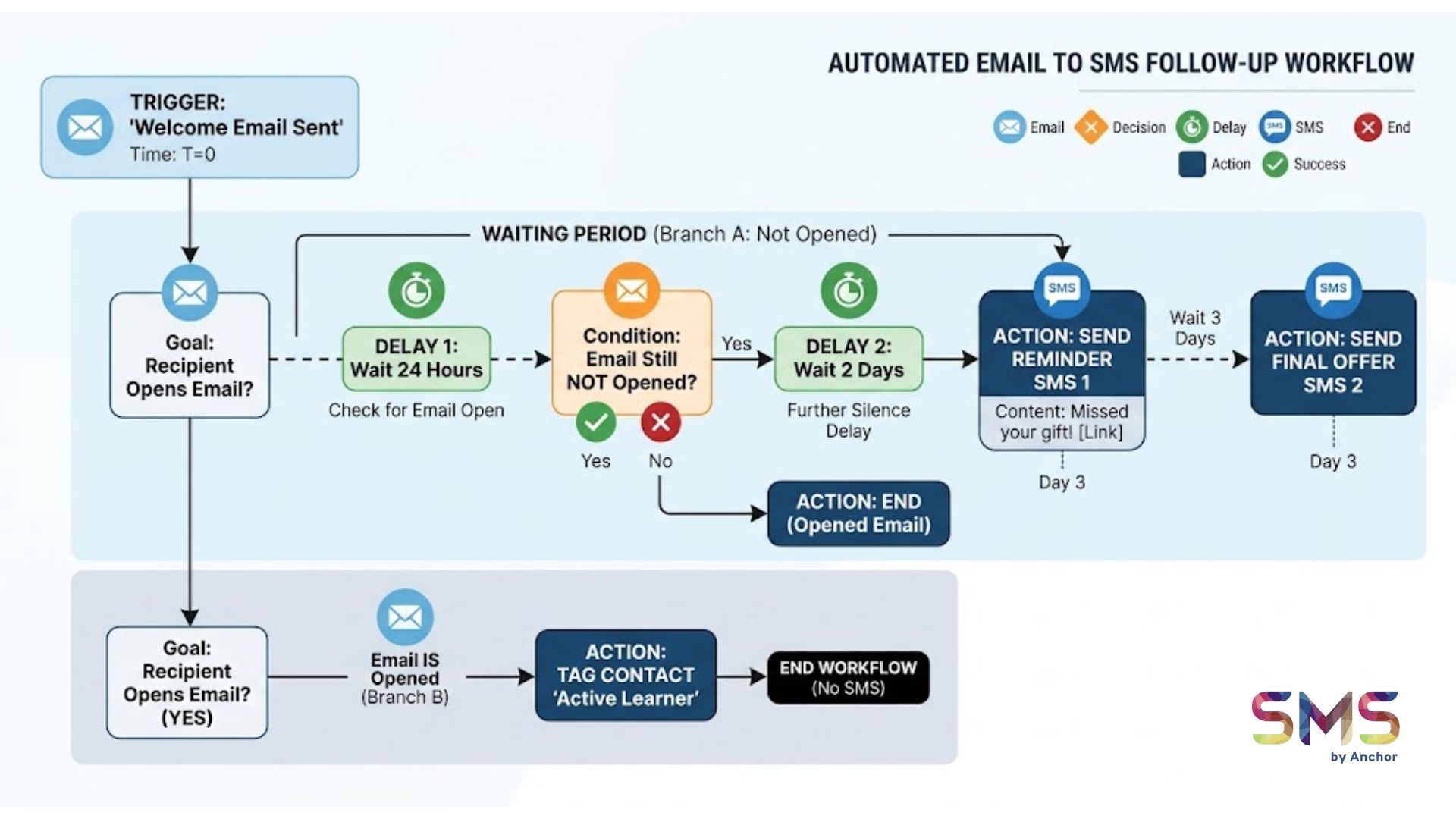
The results were immediate. By introducing a highly visible, direct text message precisely when buyer intent was still relatively fresh, we successfully recovered 34% of abandoned carts within the first month. The immediacy of the text message solved a problem that design and copywriting alone could not.
3 Immediate Steps to Integrate SMS Into Your Current Strategy
Expanding your marketing strategy to include mobile messaging does not require tearing down your existing infrastructure. It should enhance what you have already built.
1. Establish Strict Compliance and Explicit Opt-Ins
Before sending a single text, ensure your subscriber list is compliant with regional regulations, such as TCPA or CTIA guidelines. Your checkout pages, pop-ups, and sign-up forms must feature clear, un-checked boxes explicitly stating that the user agrees to receive automated marketing text messages.
2. Sync Your SMS Platform with Your CRM
SMS should never operate in a vacuum. Connect your text marketing platform directly to your customer relationship management (CRM) software or e-commerce platform. This allows you to trigger text messages based on real-time user behaviour—such as a specific purchase history or a loyalty tier milestone—rather than sending generic blasts that alienate subscribers.
3. Keep Copy Concise and Action-Oriented
Unlike email, text messaging thrives on brevity. You have roughly 160 characters to deliver value. Skip the lengthy introductions. State the offer clearly, introduce a sense of scarcity or timeliness, and provide a single, direct, trackable guidance of access.
Elevate Your Omnichannel ROI
Building an effective omnichannel strategy means meeting your customers exactly where they spend most of their time: on their mobile screens. Adding text messaging to your marketing mix ensures your most critical, revenue-driving messages are actually seen and acted upon in real time.
If you are ready to stop losing revenue to unread emails and rising ad costs, let us design a compliant, high-converting SMS strategy tailored to your business goals. Reach out to our team today for a tailored strategy consultation.