
Key Takeaways
- Bulk SMS delivers time-sensitive retail messages with high open rates
- Retail brands use SMS across promotions, operations, and engagement
- eCommerce SMS messaging improves delivery transparency and trust
- Timing and relevance determine SMS campaign success
- Professional SMS platforms reduce compliance and deliverability risks
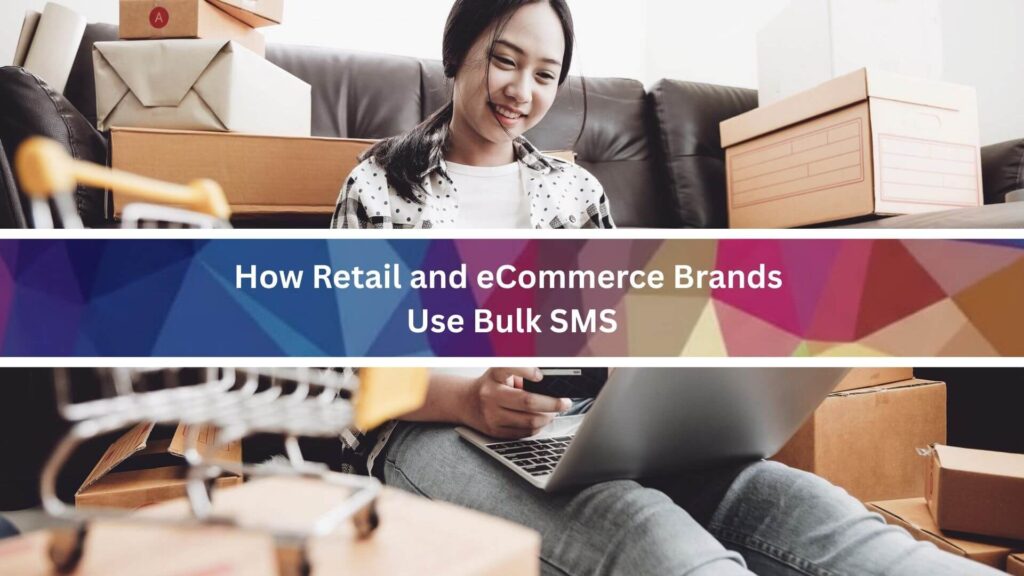
Retail and eCommerce brands operate in an environment where speed, visibility, and trust directly affect revenue. Email inboxes are crowded, social media reach is inconsistent, and app notifications depend on installs. This is why bulk SMS for retail has become a core communication channel for both physical stores and online brands.
SMS reaches customers directly, is read within minutes, and works across all devices. When used correctly, it supports promotions, operations, and long-term customer engagement without damaging brand trust.
This guide explains how retail and eCommerce businesses use bulk SMS strategically, not just to sell, but to build reliable customer relationships.
Why Bulk SMS Matters for Retail and eCommerce
Retail and eCommerce customers expect instant updates. Whether it is a flash sale, order confirmation, or delivery delay, SMS provides immediacy that other channels struggle to match.
Unlike social platforms, SMS is not affected by algorithm changes. Unlike email, it does not rely on inbox prioritisation. For brands managing high transaction volumes, SMS Marketing becomes a dependable layer in the customer journey.
Promotions and Campaign Announcements
Promotions are one of the most common use cases for bulk SMS for retail, especially when urgency matters.
Retail and eCommerce brands use SMS to announce:
- Flash sales and limited-time discounts
- New product launches
- Store openings or pop-up events
- Seasonal and festive campaigns
Because SMS messages are typically read within minutes, they are ideal for time-bound offers. A well-timed campaign can drive immediate traffic both online and in-store.
When executed through a professional platform, bulk SMS for retail communication allows brands to segment audiences based on purchase history, location, or behaviour, ensuring messages remain relevant rather than intrusive.
Some brands also run targeted bulk SMS campaigns alongside email or paid ads, using SMS as the final nudge that drives conversion.
Order and Delivery Updates
In eCommerce, operational messaging is just as important as marketing.
eCommerce SMS messaging is widely used for:
- Order confirmations
- Payment success notifications
- Shipping and tracking updates
- Delivery confirmation or delays
These messages reduce inbound customer support queries and improve post-purchase satisfaction. Customers feel informed and reassured, even when issues arise.
From a business perspective, automated SMS updates help standardise communication and reduce dependency on manual follow-ups. This is especially critical during high-volume periods such as sales events or festive seasons.
Customer Engagement Messaging
Beyond promotions and transactions, SMS plays a role in ongoing customer engagement.
Retail and eCommerce brands use SMS for:
- Back-in-stock alerts
- Abandoned cart reminders
- Loyalty programme updates
- Feedback and review requests
When messages are personalised and sent sparingly, customers are more likely to view them as helpful rather than spam. Over time, this reinforces brand recall and repeat purchases.
This is where professional bulk SMS platforms outperform consumer tools, offering segmentation, automation, and reporting that support long-term engagement strategies.
Timing Messages Effectively
Timing is one of the most overlooked factors in SMS performance.
Retail brands that succeed with bulk SMS focus on:
- Sending promotions close to peak shopping hours
- Avoiding early morning or late-night messages
- Aligning delivery updates with actual logistics events
- Spacing campaigns to prevent fatigue
For example, a lunch-hour promotion for nearby outlets often performs better than a generic morning blast. Similarly, shipping updates sent too early or too late can create confusion rather than clarity.
Professional platforms allow scheduling and throttling, helping brands optimise timing based on customer behaviour.
Maintaining Customer Trust
Trust determines whether SMS remains an asset or becomes a liability.
Customers expect business messages to be:
- Clearly identifiable with a sender name
- Relevant to their relationship with the brand
- Easy to opt out from
In many markets, including Malaysia, SMS usage is regulated under telecom and consumer protection frameworks overseen by bodies such as Malaysian Communications and Multimedia Commission. Businesses are expected to respect consent, sender identification, and content standards.
Retail and eCommerce brands that use professional SMS services benefit from built-in compliance features, including sender ID registration and opt-out handling. This protects both deliverability and brand reputation.
Bulk SMS vs Other Retail Messaging Channels
SMS does not replace other channels, it complements them.
Retail brands often position SMS as:
- A trigger channel for urgent updates
- A conversion booster for promotions
- A fallback when email is ignored
By integrating SMS with email, apps, and customer support systems, brands create a layered communication strategy that adapts to different customer preferences.
Choosing the Right Bulk SMS Platform
For retail and eCommerce use cases, not all SMS tools are suitable.
A professional bulk SMS platform should offer:
- High delivery reliability through licensed routes
- Sender ID and brand identification support
- API integration for eCommerce systems
- Detailed delivery and performance reporting
- Compliance and opt-out management
These capabilities allow SMS to scale alongside business growth, rather than becoming a risk factor as volumes increase.
Conclusion
For modern retail and eCommerce brands, SMS is a critical communication layer that supports sales, operations, and customer trust across the entire buying journey. When used strategically, bulk SMS for retail helps brands move faster, communicate clearer, and reduce friction at every customer touchpoint.
To achieve consistent delivery, compliance, and scalability, many growing brands rely on professional SMS providers such as SMS by Anchor, which offers business-grade SMS infrastructure designed for retail and eCommerce use cases. Choosing the right platform ensures your messages reach customers reliably, protect your brand reputation, and support long-term growth rather than short-term blasts.
FAQs About SMS for Retail and eCommerce
Is bulk SMS effective for retail promotions?
Yes. SMS has high open rates and works well for time-sensitive retail promotions when messages are targeted and relevant.
How is eCommerce SMS messaging different from marketing SMS?
eCommerce SMS messaging often includes transactional updates such as orders and delivery, while marketing SMS focuses on promotions and engagement.
eCommerce SMS messaging often includes transactional updates such as orders and delivery, while marketing SMS focuses on promotions and engagement.
Yes. Most professional platforms integrate with eCommerce systems to automate order confirmations, shipping updates, and cart reminders.
Will customers find retail SMS messages intrusive?
Only if messages are too frequent or irrelevant. Proper segmentation and timing help maintain positive engagement.
Are there regulations governing retail SMS usage?
Yes. Businesses must follow telecom and consumer protection rules, including consent and sender identification requirements.
Can SMS improve repeat purchases in eCommerce?
Yes. Back-in-stock alerts, loyalty updates, and personalised offers via SMS can encourage repeat buying.